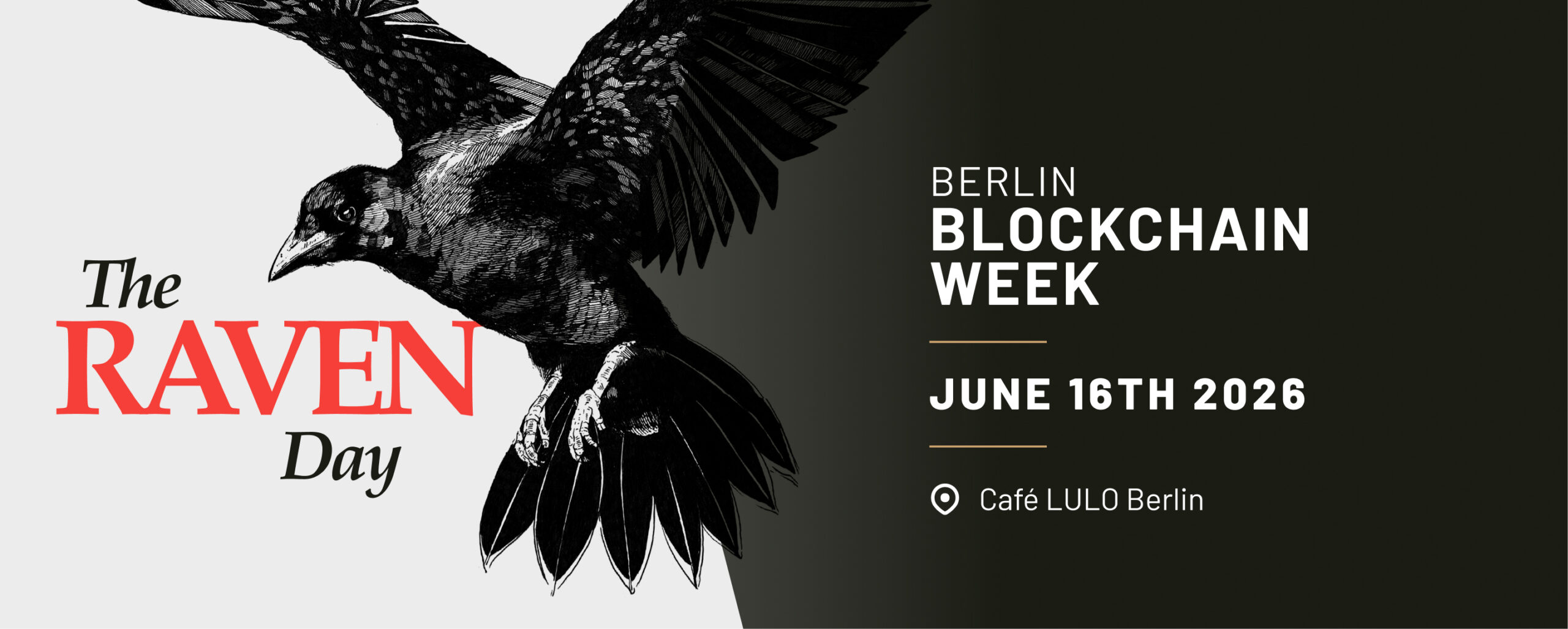
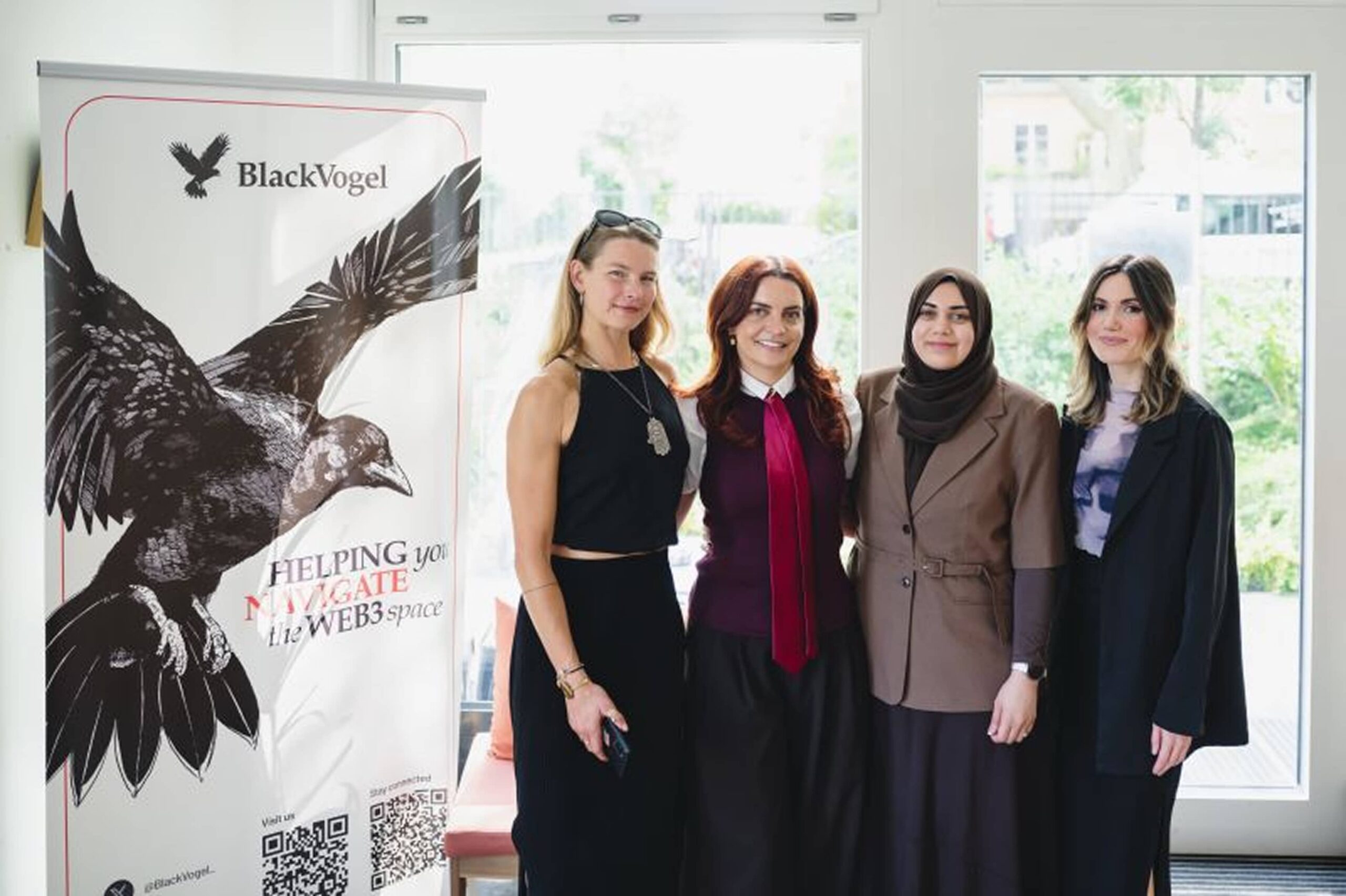
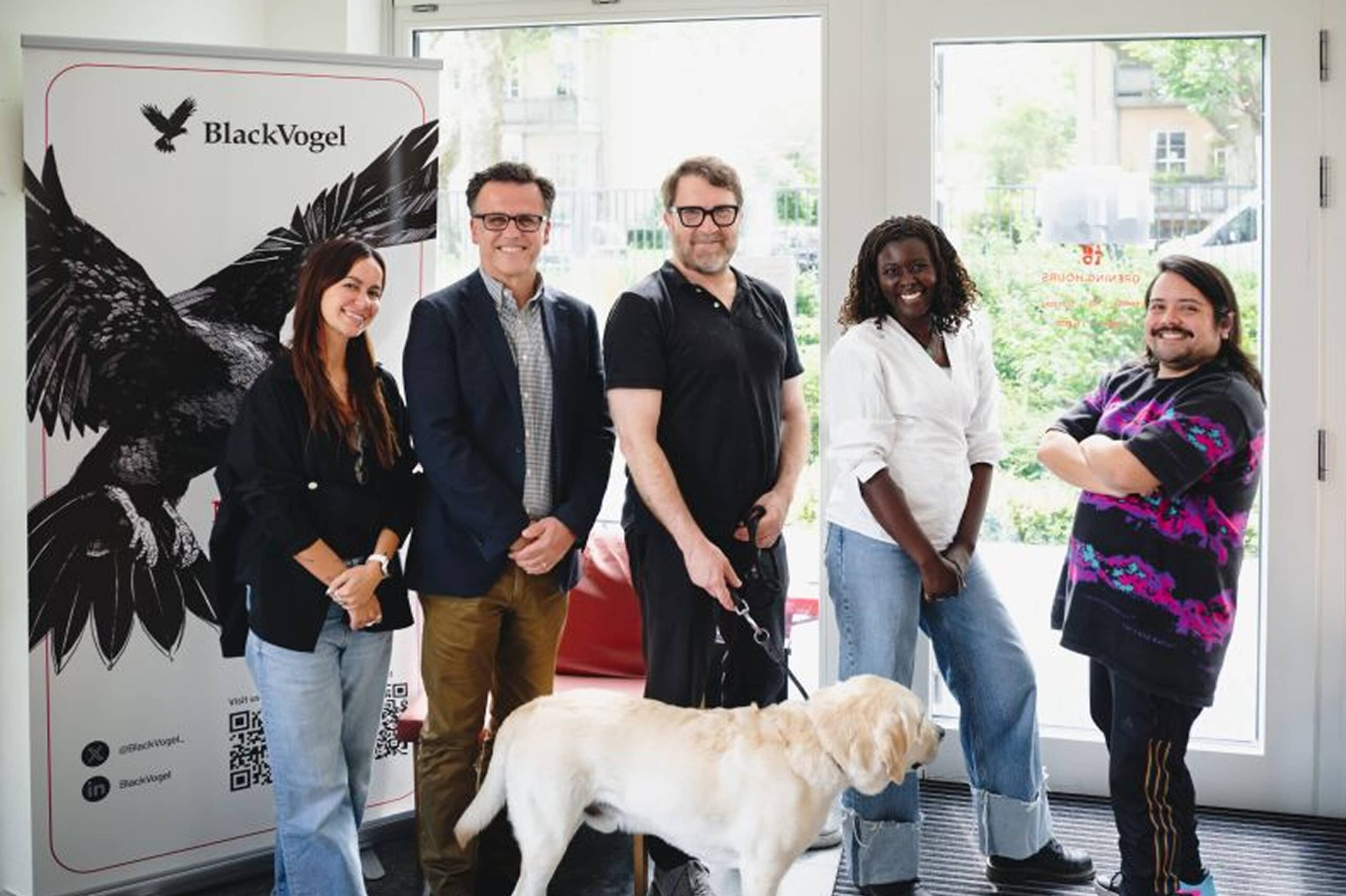
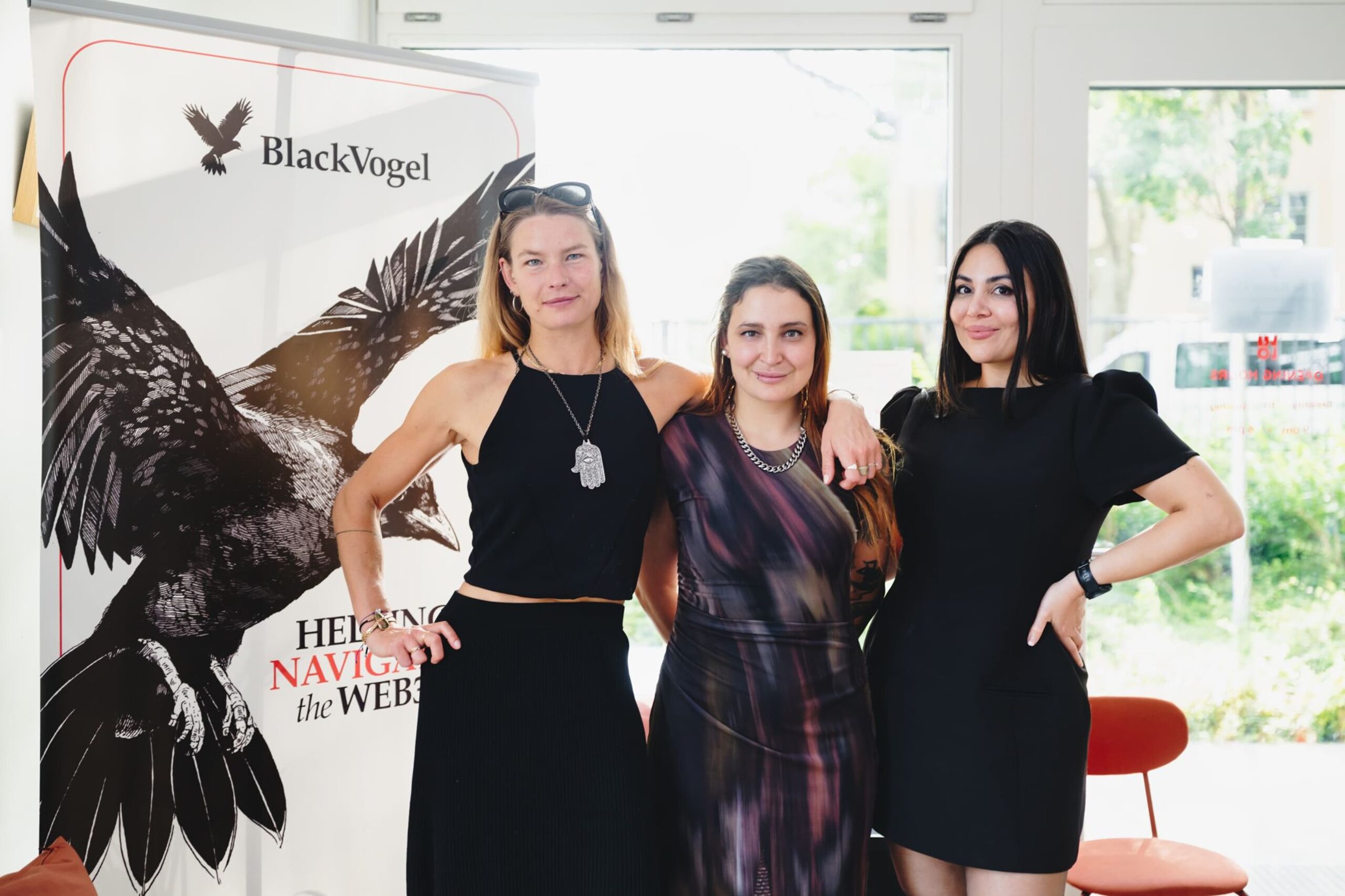
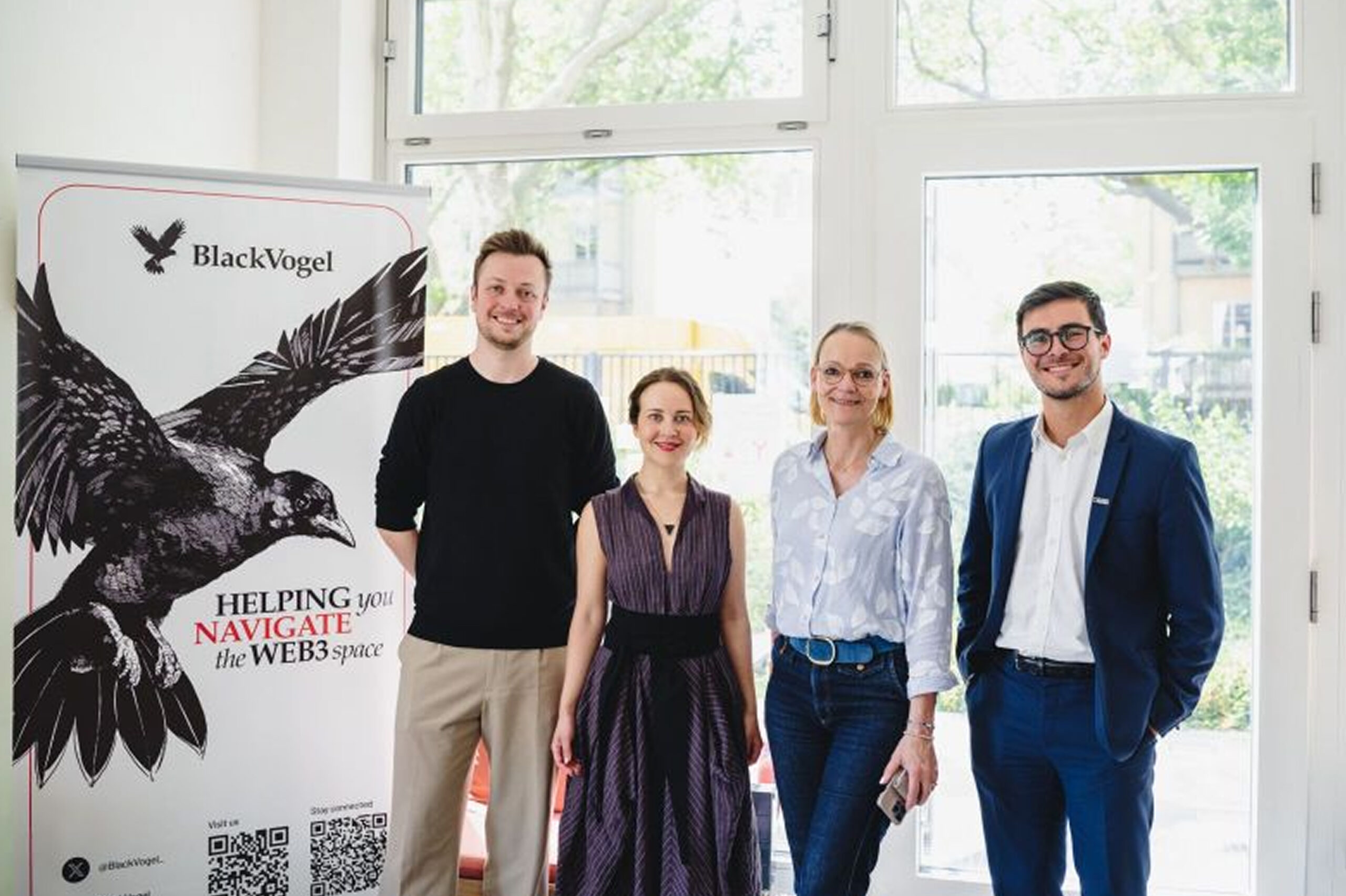
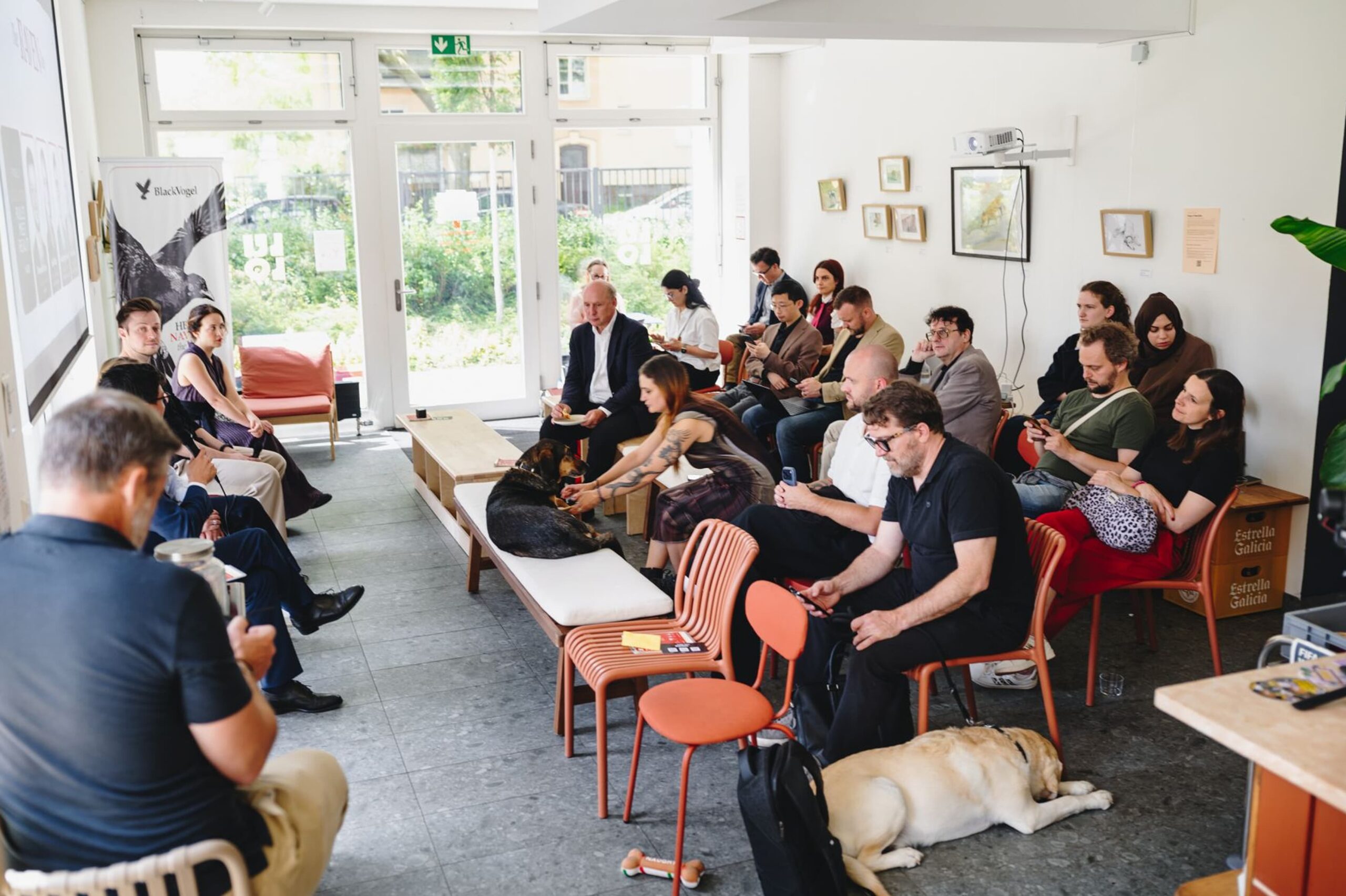
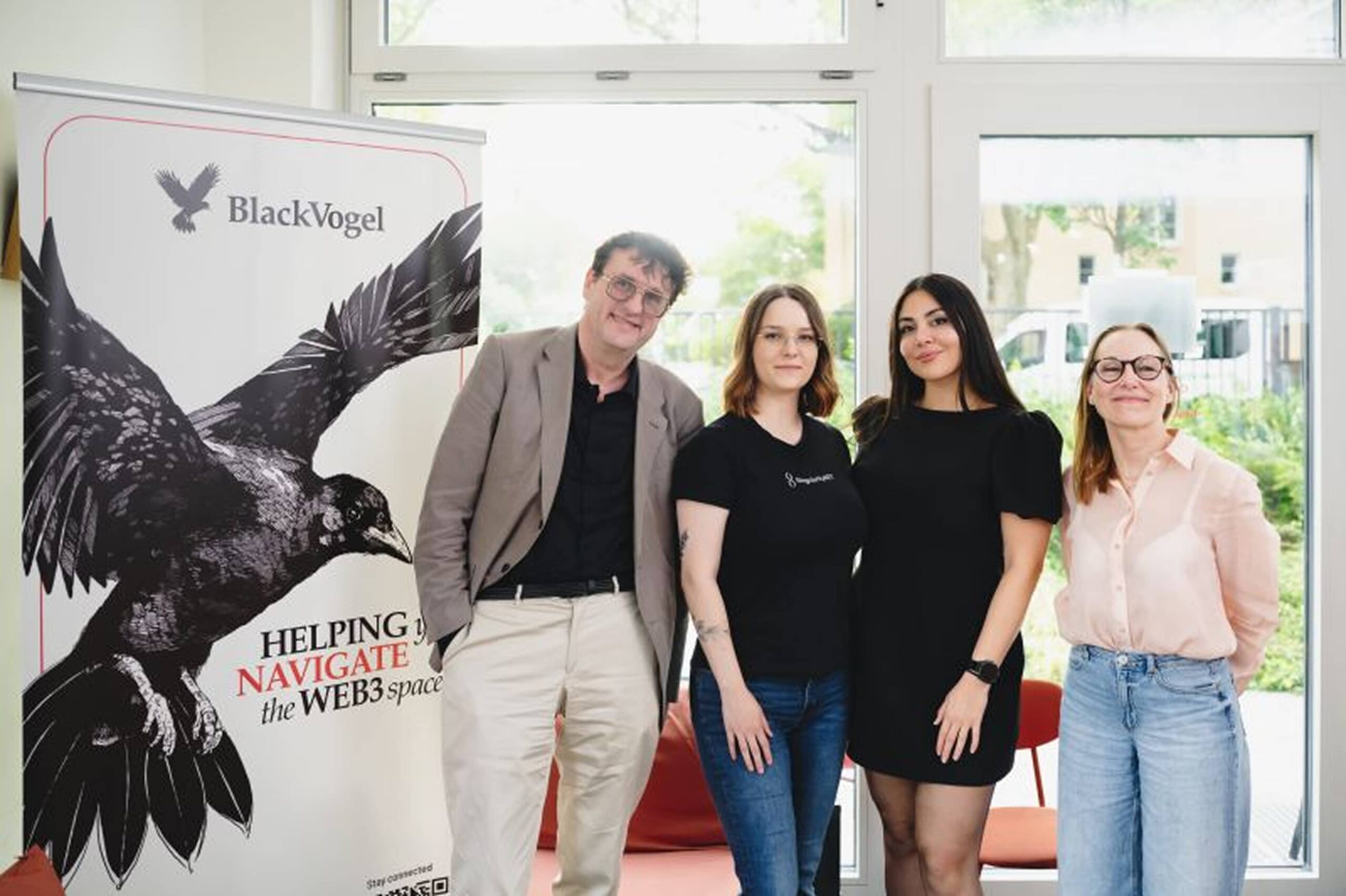
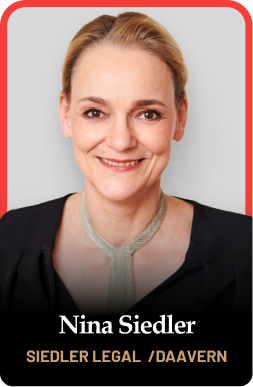
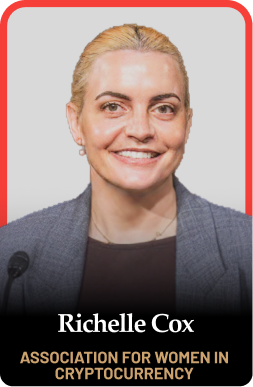
The first edition of The Raven Day brought together builders, regulators, founders, investors, researchers, and industry leaders during Berlin Blockchain Week for a full day of conversations about the future of digital assets.
The event was built around a simple idea: technology never exists in isolation. Adoption depends on regulation. Regulation shapes markets. Markets influence impact. And none of it matters if we fail to ask the ethical questions that determine how these systems affect people. Across four panel discussions, eighteen speakers explored the challenges facing the industry today—not through product announcements or investment pitches, but through honest conversations about what is working, what is not, and what needs to change. Rather than treating regulation, adoption, impact, and ethics as separate conversations, The Raven Day connected them into one continuous discussion about what it takes to build a digital ecosystem that is credible, sustainable, and trusted.
What We Discussed
The programme moved from rules, to adoption, to impact, and finally to ethics. That is a deliberate structure, not a description of reality. In the real world, innovation comes first, adoption follows, and rules step in when they are needed to build clarity, certainty and trust. Ethics threads through everything. We started with rules because clarity about the ground helps everything that comes after. But we know the real world walks it in the opposite direction.
Regulation: Rules Meet Reality
We opened with regulation,not because regulation is the entry point, but because it helps define the environment in which everything else is built. Rather than debating whether regulation is necessary, the discussion focused on what makes regulation effective, asking not how well we comply with the framework, but how good the framework itself is. Participants challenged the assumption that harmonisation should always be the objective, arguing instead for greater mutual recognition between jurisdictions. Markets operate under different realities, and regulatory frameworks should acknowledge those differences while remaining interoperable. The panel also examined the growing gap between political ambition and operational implementation, highlighting how many of today’s regulatory challenges emerge not from legislation itself, but from translating policy into workable practice.
Discussion highlights
Mutual recognition between jurisdictions offers a more practical path than one-size-fits-all harmonisation.
Regulatory effectiveness should be measured by outcomes, not simply by compliance requirements.
Political priorities and operational realities often evolve at different speeds.
The discussion revisited personal liability under MiCA and questioned the rationale behind the prohibition of yield-bearing stablecoins.
Adoption: What's Actually Being Built
The second panel focused on the market itself. Rather than asking whether Web3 adoption is happening, the conversation explored where it is happening, why it looks different across regions, and how funding decisions continue to shape the industry’s trajectory. One recurring observation was that adoption follows utility. Projects solving real problems consistently outperform projects built around technology alone. At the same time, participants challenged current funding dynamics, arguing that grant-driven ecosystems have replicated issues from the development sector, creating and funding projects without sustainable business models can survive on their own.
Discussion highlights
Adoption looks different across every region because user needs are different.
Capital allocation remains concentrated despite innovation emerging globally.
Sustainable business models matter more than grant dependency.
Funding should prioritise long-term viability rather than short-term ecosystem incentives.
Simpler user experiences remain essential for mainstream adoption.
Impact: Beyond the Buzzwords
The third panel examined one of the industry’s most frequently used,and often least defined,words: impact. The discussion began by challenging the assumption that impact is inherently positive. Every technological intervention carries potential unintended consequences, and responsible innovation requires measuring both benefits and harms. From there, the conversation explored the importance of verifiable evidence. Whether discussing sustainability, supply chains, or environmental claims, participants agreed that trust depends on infrastructure capable of proving what is being claimed rather than asking stakeholders and people to simply believe it.
Discussion highlights
Impact should include measuring unintended consequences.
Claims without verification gradually erode trust.
MRV (Measurement, Reporting and Verification) represents one of blockchain’s strongest real-world applications.
Communities should participate in designing solutions rather than simply receiving them.
Long-term impact depends on partnerships and trusted local leadership.
Ethics & Technology: Privacy and Human Rights in the Era of AI
The final panel closed the day by stepping beyond regulation and technology into the human questions that increasingly define both. The conversation explored privacy, accountability, decentralisation, in the era of artificial intelligence and big tech, not as abstract technical concepts, but as design choices made by people and organisations every day. One of the strongest themes to emerge was that responsibility cannot be delegated entirely to regulators or technology providers. Individual decisions, institutional incentives, and organisational values all shape the technologies society ultimately adopts.
Discussion highlights
Privacy is a human right, not simply a product feature.
Accountability is non-negotiable when technology or business decisions cause harm.
Ethical businesses demonstrate that commercial success and values can coexist.
Individual choices influence industry behaviour just as much as regulation does.
Common Threads Across the Day
The day was built on a single premise: that adoption is not a technology problem, but the chain that surrounds the technology, rules, what gets built, what it achieves, and how responsibly it is made. By the end of the day, that premise had held. The regulation conversation was really about trust. The adoption conversation was really about whether capital reaches the right problems. The impact conversation was really about who benefits and who pays. And the ethics conversation was really about who answers when things go wrong. Four different panels, but one underlying question: not whether the technology works, but whether the systems around it are built to serve the people they affect. That is what The Raven Day was created to examine.
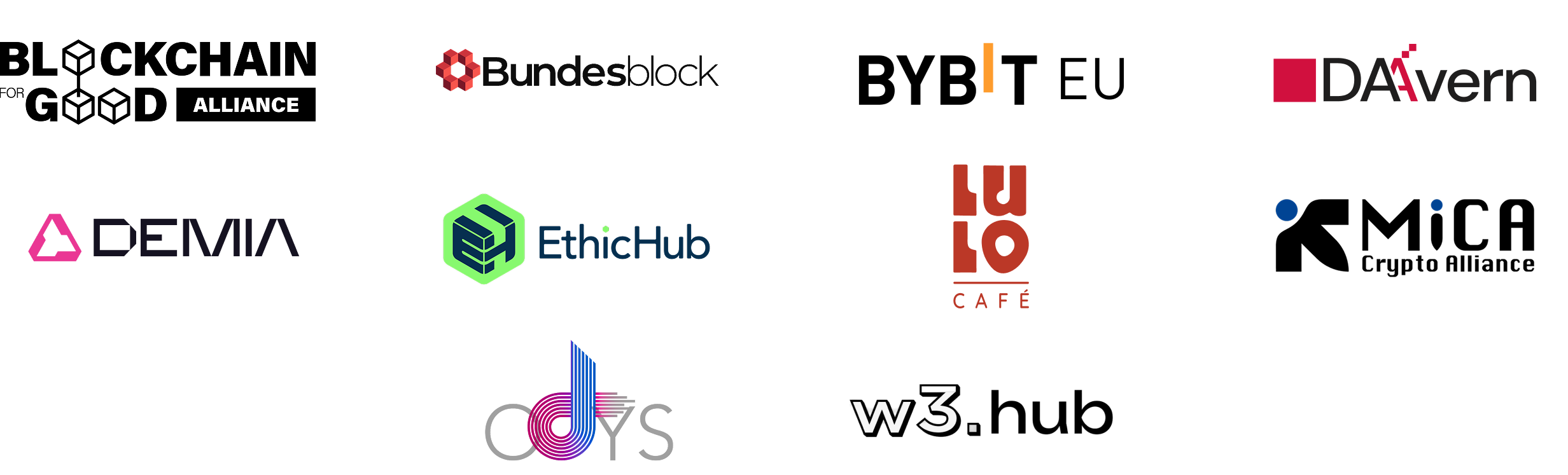
The first edition of The Raven Day would not have been possible without the support of the partners and our incredible speakers:
A sincere thank you as well to every speaker who contributed their expertise, experience, and willingness to engage in open conversation throughout the day.
Looking Ahead
Berlin marked the first edition of The Raven Day. It certainly will not be the last. As the conversations around digital assets, regulation, web3, AI, and emerging technologies continue to evolve, so will The Raven Day, bringing together the people building, regulating, investing in, and questioning what comes next.